Events
LIMRA Workplace Benefits Conference 2026 Recap 2: Beyond Enrollment and Into Continuous Employee Engagement
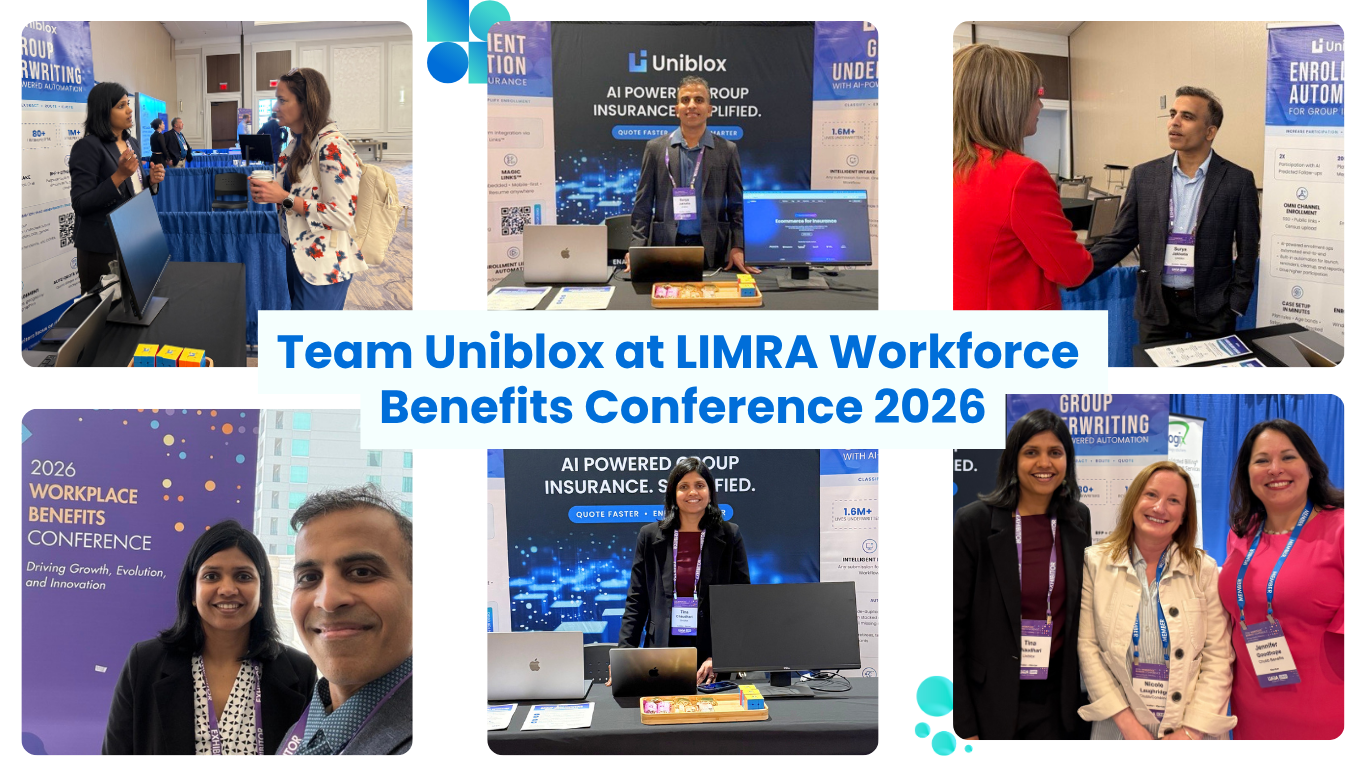
The benefits industry has spent decades optimizing enrollment. Better platforms. Faster case setup. Cleaner integrations. More accessible enrollment experiences. Those investments improved the election process itself. But they did not solve the larger engagement problem the industry is still struggling with. The gap is becoming harder to ignore, enrollment may be the most operationally optimized part of the benefits experience, while post-enrollment engagement remains one of the least developed.
Across the Engagement That Lasts and Power Partnerships sessions at LIMRA Workplace Benefits Conference 2026, the industry appeared increasingly aligned around one realization: Enrollment is not the finish line. It is the starting point.
The organizations operating differently are building around that assumption. The ones falling behind are still treating benefits engagement as a seasonal administrative event instead of a continuous employee experience system.
Redefining What Enrollment Success Looks Like
One of the recurring themes across sessions at LIMRA Workplace Benefits Conference 2026 was that the industry still lacks a consistent definition of what successful benefits engagement actually looks like.
Participation rates remain one of the most commonly referenced metrics across enrollment and benefits administration. But participation alone reveals very little about whether employees understood their options, made informed decisions, or ultimately used the coverage they elected.
The metrics that more accurately reflect the effectiveness of a benefits experience include:
- Benefits literacy: can employees explain and navigate their coverage confidently?
- Utilization: are employees using the benefits they selected?
- Employee confidence and satisfaction: do employees feel their elections aligned with their needs?
- Retention: are employees maintaining coverage throughout the plan year?
- Reduction in post-enrollment confusion and regret-driven terminations
Most organizations are still not measuring these outcomes consistently. Without a clear definition of success at the beginning of the enrollment cycle, downstream decisions around communication strategy, onboarding, engagement, and employee support become significantly harder to optimize effectively. When strategy is defined only after execution has already begun, organizations often find themselves reacting to engagement problems instead of building proactively toward better outcomes.
The Biggest Opportunity Still Begins After Enrollment
Enrollment platforms are more intuitive. Decision-support tools have improved. Digital enrollment experiences are significantly easier to navigate than they were even a few years ago.
But many of the industry's biggest engagement challenges still begin after the election window closes. That distinction came through clearly during the Engagement That Lasts discussions. The objective of enrollment is not simply to maximize elections. It is to help employees make informed decisions confidently enough to understand and use the coverage they selected.
As one panelist put it, employees should be able to say yes or no intelligently. That shift matters because participation without understanding may improve short-term numbers while creating lower utilization, post-enrollment confusion, and avoidable cancellations later in the plan year.
The operational gap between enrollment-focused engagement and year-round engagement is becoming increasingly measurable. Organizations using year-round, event-triggered communication strategies are consistently seeing engagement rates above 40%, compared to the single-digit interaction rates many one-time enrollment campaigns still generate. The organizations creating stronger long-term engagement outcomes are the ones designing benefits experiences that continue long after enrollment ends.
Effective Benefits Communication Starts with Context
Many organizations still approach benefits communication primarily as a channel decision: email, text, portal notifications, video, or mobile messaging.
But the more important question is contextual: who is this communication for, and what does that employee actually need to understand at that moment?
The challenge is that most communication strategies are still built around enrollment timelines rather than employee behavior, life stage, or decision-making needs. As benefits ecosystems become more complex, generic communication models are becoming less effective at driving meaningful engagement.
The organizations making meaningful progress are shifting toward more population-aware engagement strategies that prioritize relevance, timing, and behavioral context.
In practice, that includes:
- Communication strategies built around employee populations rather than enrollment windows alone
- Multi-channel engagement aligned with how employees actually consume information
- Analytics focused on behavioral outcomes, not just message delivery
- Year-round communication triggered by life events, utilization patterns, and employee needs
As benefits experiences become increasingly continuous rather than enrollment-driven, communication is evolving from a support function into a core part of the employee experience itself.
Benefits Engagement Starts During Onboarding
For many employees, onboarding is their first meaningful interaction with the organization's benefits experience. It shapes early expectations around accessibility, support, and confidence in decision-making.
For many organizations, onboarding is also the point at which employee attention to benefits is at its highest, making it one of the few moments where education, engagement, and enrollment behavior naturally converge.
The organizations creating stronger long-term engagement outcomes are treating onboarding as more than a compliance process or enrollment checkpoint. They are approaching it as a foundational engagement moment that influences utilization, satisfaction, and retention throughout the plan year.
That shift also reinforces the importance of balancing digital efficiency with human support. As benefits ecosystems become more digital and increasingly year-round, onboarding is evolving from an administrative process into a critical part of the employee engagement lifecycle.
Reducing Friction Across the Benefits Experience
The benefits ecosystem has accumulated a growing number of point solutions, many of which add complexity faster than they improve the employee experience. The technology investments creating the clearest value are the ones reducing friction across enrollment and engagement workflows.
Embedded enrollment is one example. When employees can complete enrollment directly inside the HRIS or benefits platform they already use, participation rates increase significantly. Every redirect introduces additional drop-off risk and decision fatigue. The same expectation now extends beyond enrollment. Employees increasingly expect benefits platforms to function as year-round engagement environments rather than enrollment-only systems.
That shift is reshaping how organizations think about employee experience infrastructure, including:
- On-demand access to ID cards and plan information
- Spending account visibility and transaction tracking
- Qualifying life event workflows
- Provider access and carrier connectivity
- Claims visibility and support resources
As benefits ecosystems become more connected, the challenge is becoming less about adding more technology and more about reducing complexity across the full employee engagement lifecycle.
Distribution Complexity Is Reshaping Partnership Value
The conversations around GAs and broker relationships reflected a broader shift across the distribution ecosystem: value is increasingly being measured operationally rather than transactionally.
As enrollment ecosystems become more fragmented, carriers, brokers, and GAs are under growing pressure to demonstrate measurable outcomes across participation, enrollment quality, employee engagement, and implementation execution.
That shift is changing expectations throughout the ecosystem.
For GAs, value is increasingly tied to operational support, enrollment coordination, communication strategy, and implementation execution. For brokers, the challenge is increasingly one of complexity management as benefits administration, compliance requirements, carrier coordination, and employee engagement workflows continue expanding across disconnected systems.
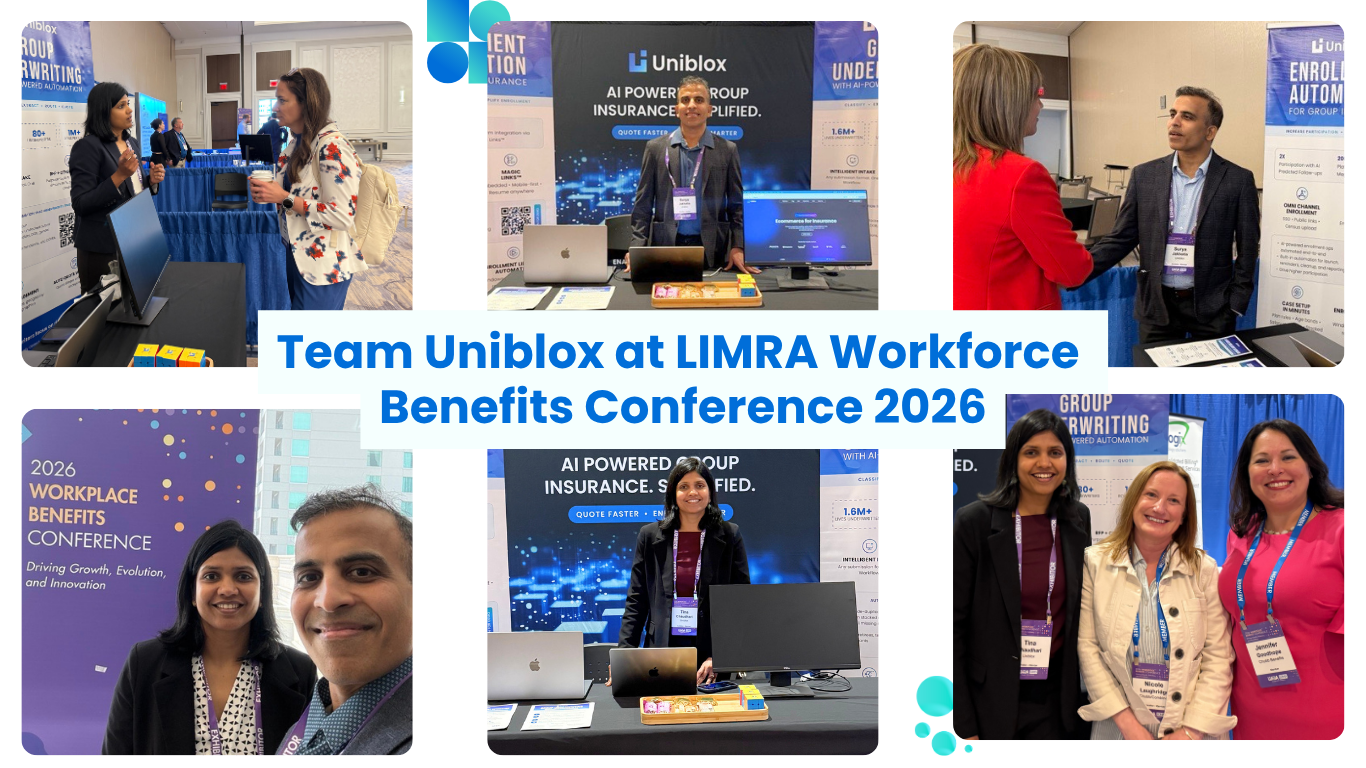
The organizations creating durable value are the ones reducing operational burden rather than adding additional process complexity. That same principle increasingly applies across the broader benefits technology ecosystem. Infrastructure becomes most valuable when it simplifies coordination across carriers, brokers, BenAdmins, HR systems, and employee engagement workflows rather than forcing organizations to manage those gaps manually.
What LIMRA Workplace Benefits 2026 Actually Signaled
The conversations at LIMRA Workplace Benefits Conference 2026 pointed toward a broader shift in how the industry is beginning to think about employee engagement.
Enrollment may still be the most visible part of the benefits experience, but it is no longer enough on its own. The organizations moving ahead are building around a different assumption: benefits engagement is continuous, operational, and shaped by every interaction that happens before, during, and long after enrollment ends.
The next phase of the industry will be defined less by adding more technology and more by reducing friction across communication, onboarding, enrollment, and year-round employee engagement.